
Vivien Leigh is remembered as one of classic cinema's most luminous stars — unforgettable as Scarlett O'Hara in Gone with the Wind and as Blanche DuBois in A Streetcar Named Desire. Yet her life was marked by severe mental health struggles that were poorly understood at the time. This article explains what contemporaries meant when they described Leigh as “possessed,” how her diagnosis of bipolar disorder shaped her work and relationships, what treatments were available in mid-century Britain and Hollywood, and how modern perspectives reinterpret her legacy.
Table of Contents
- Why read this guide?
- Understanding the diagnosis: manic depression then and now
- How bipolar episodes looked in Vivien Leigh’s life
- The “possession” narrative: why people used spiritual language
- Treatments used during her life and their effects
- How her illness affected career and relationships
- Sexuality, impulsivity, and the myths they generated
- Race, image, and Hollywood pressures
- Why the “possession” label persisted
- Rewriting the story with modern psychiatric understanding
- How Hollywood and society responded — then and now
- Practical guide: How to understand and support someone with bipolar disorder
- Pitfalls, misconceptions, and historical context to watch for
- Vivien Leigh’s cultural legacy beyond illness
- Common “People Also Ask” questions
- Summary and final takeaways
- Further reading and resources
Why read this guide?
This article will help you clear off all your doubts about Vivien Leigh's mental health, whether you want to move ahead of the myths and find documented history, or you are interested in knowing about the consequences of psychiatric care and the social attitudes of the time on high-profile performers. This article does teach you the following things:
- What psychiatric diagnoses were applied to Leigh and what they meant then and now
- How episodes of mania and depression affected her behavior, career, and relationships
- Why sensational claims of “possession” circulated and how to evaluate those claims
- What treatments Leigh received and how modern medicine differs
- Practical takeaways about supporting people with bipolar disorder
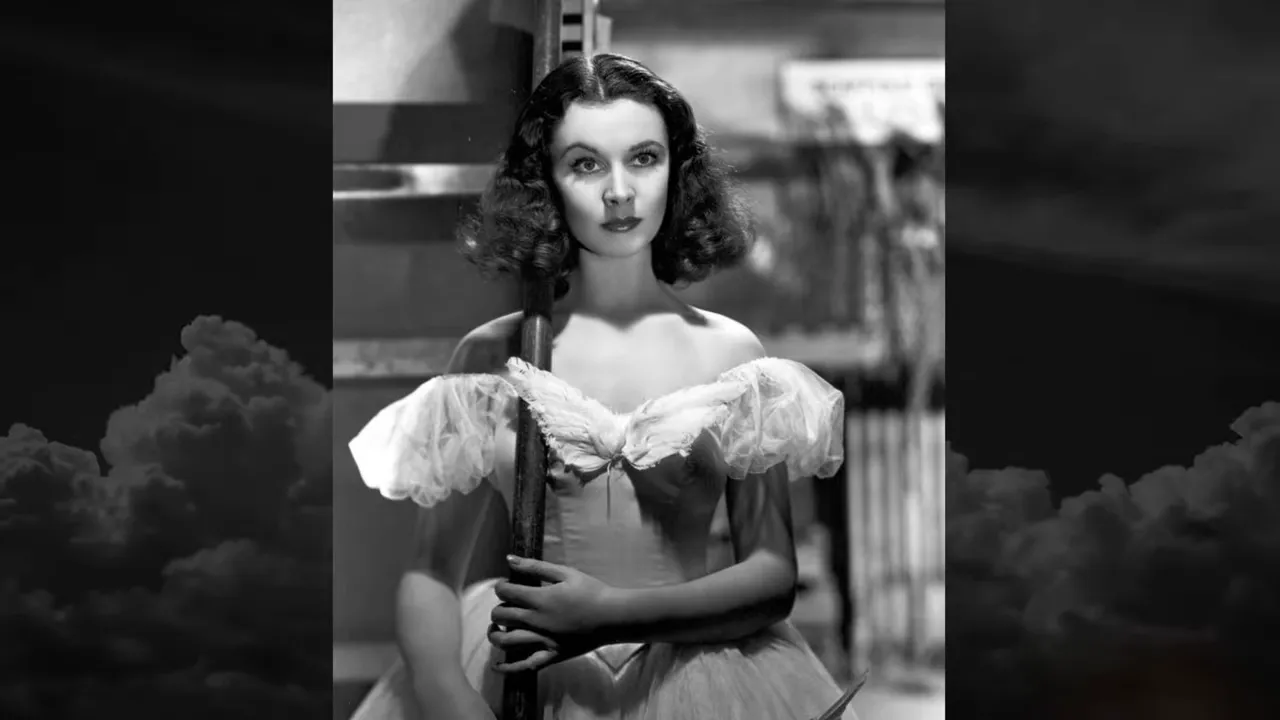
Understanding the diagnosis: manic depression then and now
Throughout Vivien's lifetime, the name that was frequently used to refer to her condition was manic depression. At present, that particular diagnosis is referred to as bipolar disorder.
The two terms essentially reflect the same underlying pattern which is the occurrence of happiness that is followed usually with periods of sadness,
both with characteristic hypomania and depression. During each phase, an individual can have significant alteration in the way of thinking, behaving, sleeping, eating, and having amicable associations.
Typical features of bipolar disorder
- Manic/hypomanic phase: elevated or irritable mood, decreased need for sleep, racing thoughts, rapid speech, increased goal-directed activity, impulsivity, risky behaviors, and sometimes increased sexual drive.
- Depressive phase: prolonged sadness, loss of interest in activities, fatigue, changes in appetite or sleep, feelings of worthlessness or guilt, and suicidal ideation in severe cases.
- Cycling: individuals may cycle between these phases over weeks, months, or longer; some experience rapid cycling.
Nobody pays attention to two points that are often misunderstood in public discussion: 1) public misunderstandings also have a few points that often misunderstood mainly at public discussions and 2) public discussions are different from private ones because they require a wider view of the participants.
- Not every person with bipolar disorder experiences extreme or violent behavior. Symptoms vary widely in severity and type.
- Hypersexuality can be part of mania but is not universal, and it should not be reduced to moral judgments.
How bipolar episodes looked in Vivien Leigh’s life
Historical records, contemporary reports, and biographies indicate Leigh experienced pronounced mood instability. Accounts describe dramatic shifts: charming, composed public appearances contrasted with episodes where she yelled, became physically agitated, or later had memory gaps for her own behavior. These sudden changes were often frightening to people around her and unfamiliar to the general public in a time when mental illness was stigmatized.
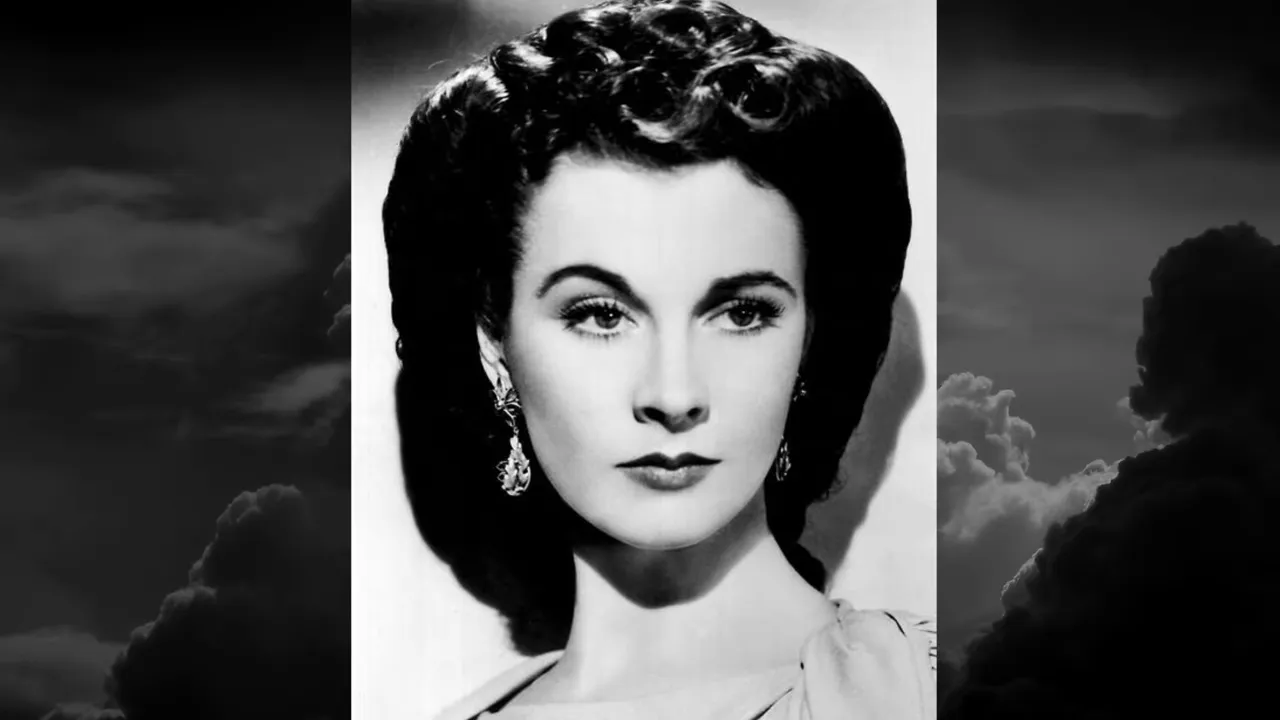
Examples of behavior commonly reported
- Sudden outbursts of anger or vitriol that felt like a different personality to witnesses.
- Periods of extreme energy, sleeplessness, and heavy substance use (for example, heavy smoking and sedative misuse during acute stress).
- Deep depressive episodes marked by prolonged crying, withdrawal, and suicidal ideation on some occasions.
- Episodes in which she lost memory of the outburst afterwards, leading to confusion and shame.
These episodes were compounded by other health stresses — chronic tuberculosis, miscarriages, exhaustion from long work schedules, and the pressure of stardom — making her illness more volatile and harder to manage with the medical options available at that time.
The “possession” narrative: why people used spiritual language
When a beloved celebrity acts in ways that are unexplainable to the public, people usually use metaphors. In Leigh's time and even now, when individuals undergo significant behavioral transformations, the media or people who are ignorant psychologically often designate it as "possession." There are a few reasons why this name became popular.
- Visible transformation: Witnesses reported changes in voice, gaze, and demeanour — qualities that traditionally have been described as “another presence.”
- Cultural frameworks: Many communities have spiritual explanations for sudden behavioral changes. These explanations can be more accessible or comforting than medical ones, particularly when mental healthcare is stigmatized.
- Media sensationalism: Headlines and gossip amplify dramatic descriptors because they sell papers and attract attention.
The term "possessed" used by people for Leigh is a representation of their cultural reaction rather than the medical side of it. Her symptoms corresponding to the psychiatric patterns owe their existence to the documentations not to the paranormal phenomena. The choice of a spiritual explanation for a mental illness is the very matter that can risk the stigmatization of affected people who really need medical assistance and support.

Treatments used during her life and their effects
Psychiatry in the mid-20th century was less developed than it is now, having limited choices. There are two points which are essential to consider when discussing the care given to Leigh:
- Electroconvulsive therapy (ECT) was one of the few effective interventions for severe depression and certain psychotic states. It could reduce symptoms for some patients but also carried the risk of memory loss and cognitive side effects, particularly when delivered with older techniques.
- Medication: Before modern mood stabilizers and antipsychotics reached mainstream use, sedation (barbiturates), early antipsychotics, and institutional care were common. These approaches could blunt symptoms temporarily but often failed to provide consistent long-term mood stabilization.
What ECT meant for patients then
Electroconvulsive therapy in the 1940s–1960s differed from modern practice. Anesthesia protocols, muscle relaxants, and dosing were less refined. Reports indicate Leigh received multiple ECT sessions during a period of severe deterioration. Many patients experienced partial improvement, but side effects like memory gaps, personality changes, and physical discomfort were not uncommon.
Modern ECT is safer and more controlled, and mood stabilizers such as lithium and anticonvulsants, along with antipsychotics and psychotherapy, now form the backbone of evidence-based bipolar care. Leigh did not have access to many of these options during much of her illness.
How her illness affected career and relationships
Multiple stress points were occurring at the same time as Leigh's mental health problems.:
- Workloads: Film shoots and stage runs were physically and mentally demanding. Exhaustion can worsen bipolar symptoms, particularly mania and depressive crashes after long sessions of sleep deprivation.
- Public scrutiny: Fame magnified incidents and restricted privacy, amplifying stress and complicating consistent treatment.
- Personal relationships: Intense mood swings and impulsive behaviors strained her marriage and partnerships. Long-term caregiving fatigue experienced by partners is a common and painful consequence when one partner has severe, unpredictable psychiatric episodes.

The relationship of her with a renowned partner was full of passionate love and was sometimes very suspicious. Studies show that her possessiveness, violent quarrels, and break-ups were the main reasons behind her being so emotionally unstable at times. Such behaviors would later involve serious impacts on Leigh's parental plans, accommodation, and emotional health for her and nearby people.
Sexuality, impulsivity, and the myths they generated
Leigh is said to have had sexual encounters during the times of her mood swings. The specialist whose description he took is consensus that Leigh had periods of promiscuity and affairs. When viewed from a social standpoint, such conduct was seen as being immoral and was widely interpreted in ways that caused disagreements and differentiations.
Important clarifications:
- Increased sexual drive during mania is a recognized symptom but varies greatly between individuals.
- Portraying sexual behavior as a moral failing ignores the medical context of impulsivity and loss of inhibition during manic episodes.
- Sensationalist portrayals often prioritized gossip over empathy, which reinforced stigma and interfered with compassionate understanding.
Race, image, and Hollywood pressures
In a way, Leigh’s ethnicity and looks were the result of the racial and aesthetic pressures of the time. She styled her hair and dressed in a way that was typical of the European mainstream, thus making a statement about the culture of the time, which is largely influenced by the restrictive views of Hollywood concerning beauty and the mark of acceptance. These factors made it even harder for Leigh to struggle with her mental health, especially when they also had to keep up the image of a perfect star who was happy all the time, as expected by the studios and their audiences.
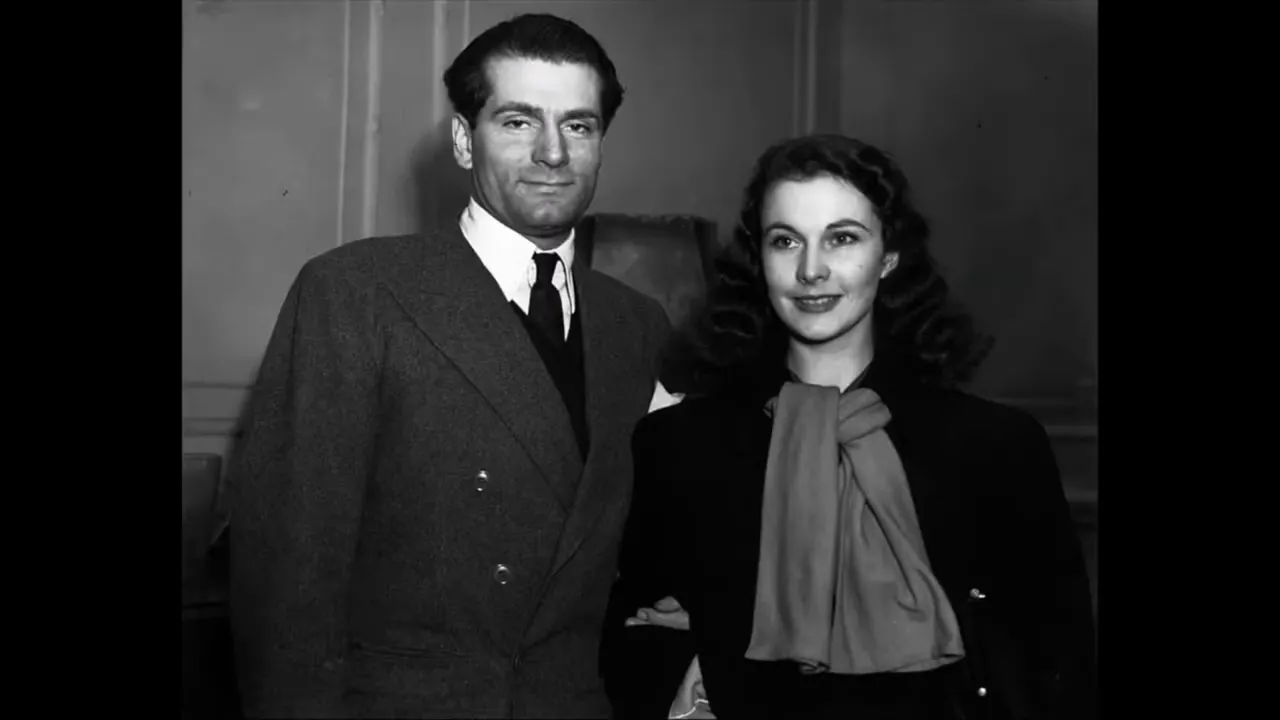
Why the “possession” label persisted
The term "possessed" originated and remained popular partly because it could effectively convey the main idea and it was a term which everybody was familiar with.
- It offered a simple explanation for complex psychiatric symptoms.
- Religious and spiritual narratives have long been used to explain sudden behavioral changes.
- Media outlets frequently favored dramatic metaphors over sober psychiatric reporting.
According to today\'s historians and clinicians, rather than viewing Leigh's episodes through the supernatural lens, they generally understand and interpret them through the bipolar disorder lens and the social medical practices of her time.
Rewriting the story with modern psychiatric understanding
If we look at it from the perspective of modern diagnostic standards and treatments, it is only rational to make a few conclusions.
- Leigh’s behavior is consistent with bipolar disorder characterized by severe manic and depressive episodes and episodes of psychomotor agitation and disinhibition.
- Exhaustion, substance use, physical illness (tuberculosis), grief, and major life events (including miscarriages and relationship instability) likely triggered or worsened episodes.
- Her care was limited by contemporary medical knowledge and available treatments; some interventions (like early ECT techniques) may have produced distressing side effects.
How Hollywood and society responded — then and now
The public took different perspectives regarding Leigh's sickness. On the one hand, there was genuine kindness and respect, whereas on the other hand, there was the disclosure of bad and gossipy news. Several peers made it their way to defend certain actions by the lens of disease; others, without previous knowledge of psychiatric conditions, condemned her decisions.
Two changes occurred with the text. There are only slight adjustments to the original expressions.
Practical guide: How to understand and support someone with bipolar disorder
In case you notice that a friend, family member or a colleague is having issues similar to those stated for Leigh, you ought to think of adopting the following constructive measures:
Immediate safety checklist
- If there is active suicidal ideation or intent, call emergency services or go to the nearest emergency department immediately.
- Secure any potentially dangerous items and avoid leaving a highly agitated person alone if there is a risk of harm.
Support and care strategies
- Encourage professional help: Mood disorders are treatable. A psychiatrist can evaluate and recommend mood stabilizers, antipsychotics, psychotherapy, or ECT in modern settings when indicated.
- Regular routines: Stabilizing sleep, meal times, and daily routines can reduce relapse risk.
- Mood monitoring: Keeping a mood diary helps identify triggers and early warning signs of relapse.
- Set boundaries: Clear, compassionate boundaries protect both the person with illness and their network from burnout.
- Education: Learn about bipolar disorder to separate symptom-driven behavior from intentional actions.
- Crisis planning: Create a plan that includes emergency contacts, preferred interventions, and medication lists.
What to avoid
- Avoid shame-based language that blames character rather than recognizing illness.
- Do not attribute symptoms to moral weakness or “possession.”
- Avoid enabling dangerous behaviors; seek professional guidance for handling severe impulsivity or aggression.
Pitfalls, misconceptions, and historical context to watch for
A number of the repetitive and illusory views are held that misinterpret both the ancient and contemporary perspectives:
- Myth: Dramatic behavior equals possession. Reality: Psychiatric symptoms can cause dramatic behavior and disorientation, but they are medical conditions, not supernatural states.
- Myth: ECT is invariably brutal and destructive. Reality: ECT has evolved; modern ECT under anesthesia with muscle relaxants can be lifesaving for severe depression and some forms of mania. However, early ECT could cause significant side effects.
- Myth: Mental illness excuses abusive behavior without consequence. Reality: Illness provides context and calls for treatment, but it does not erase accountability or the need for safety and boundaries.
- Myth: Public figures who appear glamorous cannot be seriously ill. Reality: Socioeconomic status, beauty, and fame do not protect against psychiatric disorders.
Vivien Leigh’s cultural legacy beyond illness
Leigh's art forever leaves its mark. Her characters are not just ornamental but psychologically active, which is different from how she presented the leading female character to be emotionally intricate. This artistic contribution is separate from her personal difficulties, but both aspects of her life affect the way the contemporary audience perceives her films and career.
Key elements of her legacy:
- Acting craft: Her performances brought vulnerability and volatility to female characters on a scale that had not been widely accepted in mainstream cinema.
- Beauty and image: Her style influenced mid-century beauty ideals that favored refined, fragile elegance.
- Conversations about mental health: Her public struggles helped raise awareness — albeit imperfectly — about mood disorders and the limitations of contemporary treatment.
Common “People Also Ask” questions
Was Vivien Leigh "possessed"?
The fact that no trustworthy historical documents verify abnormal possession is a given. The joined medical documentation and current publications point out that it is bipolar disorder and stress-related problems. The vivid accounts of extremely unusual actions feel more like psychiatric illness than possession.
What mental illness did Vivien Leigh have?
She was given a diagnosis of manic depression, which is currently known as bipolar disorder. The accounts mention her experiencing both mania and depression, forgetting some events like having an outburst, and undergoing immense stress that made her get hospitalized and take electric convulsive therapy at times.
Did electroconvulsive therapy (ECT) harm her?
Her treatment included ECT, which was used due to the limited options available. The initial ECT methods used to be associated with memory loss and cognitive dysfunction as side effects. ECT, which at times alleviates even the worst of the symptoms, can still have the patients facing with distressing side effects regardless of the older protocols being used.
How did bipolar disorder affect her career?
Seasons contributed to the high-performance and downtime or lack of capacity of the person. Tiring from tight planning sp usually, on or a percentage of, the ruination of or outweighing of the symptom. A part of the duties required the emotional stress which probably increased her depression but besides that, it is a demonstration of her amazing gift.
Are Leigh’s behaviors explained by physical illness?
Her long-term tuberculosis and her other physical diseases also seemed to make an impact on the psychotic signs. The proclivity of the body to get unwell and the consequent biological stress can lead to the corrosion of the mood disorders, besides causing medication interactions.
Summary and final takeaways
The life of Vivien Leigh serves as a perfect example of a brilliant talent, severe psychiatric illness, and an era with limited treatment options and heavy public scrutiny existing together in a tragic way. The labeling of her behavior as "possession" is more of a cultural misunderstanding than a clinical fact. To me, the three bottom-line realizations that her life experiences highlight include:
- Context matters: Dramatic behavior often has clinical explanations. Stigma and sensationalism obscure effective support.
- Treatment has advanced: Modern psychiatric care offers a range of evidence-based tools that were unavailable in Leigh’s prime, producing better outcomes for many patients today.
- Compassion and boundaries are both necessary: Supporting someone with bipolar disorder requires empathy, professional care, and practical measures to keep everyone safe.
Leigh's imaginative inheritance is well preserved as she has brought about a revolutionary change in the perception of the emotionally complex women on the stage and screen by the audience. Appreciating the medical and cultural truths of her life, one can be in a position to pay respect to her art while also recognizing the toll of leading a public life with a severe mental illness.
Further reading and resources
- Reliable clinical sources on bipolar disorder: national health services, psychiatric associations, and peer-reviewed medical literature.
- Biographies that contextualize historical medical care and the social context of mid-20th-century theater and film.
- Mental health crisis hotlines and local psychiatric emergency services for immediate help.
If someone is acting strangely, how can I tell if it's bipolar disorder?
Supervised 박사diagnosis of bipolar disorder is done only by a qualified clinician.兆头when one should necessarily seek medical 高清evaluation are extravagant shifts in emotional and energetic state, abrupt and severe changes in sleep and appetite, risky spontaneous activities, prolonged uneasy or hopelessness, psychotic features (detach from reality), or suicidal thoughts. In case you have worries over the person, you can suggest taking a professional psychiatric assessment.