

Rita Hayworth remains one of classic Hollywood’s most magnetic figures: a consummate dancer, a screen seductress, and a performer whose career crossed musicals, melodrama and film noir. This guide examines the ten performances most often cited as her best, explains what makes each one distinctive, and offers practical guidance for modern viewers who want to appreciate Hayworth’s craft beyond the famous publicity images.
Table of Contents
- Why Rita Hayworth still matters
- How to use this list
- Top 10 performances — analysis and viewing notes
- Honorable mentions and notable late-career work
- Practical viewing guide: how to appreciate Hayworth’s technique
- Common misconceptions and context
- Restorations, editions and where to watch
- How critics and historians evaluate Hayworth today
- Checklist: What to notice in a Hayworth performance
- Recommended books, essays and resources
- Summary: What Hayworth taught modern audiences
- FAQ
- Final notes
Why Rita Hayworth still matters
Hayworth’s career is frequently discussed in terms of image — the famous publicity portraits, the hair color transformation, the studio star-making system — but her importance goes deeper. She combined technical skill in movement and dance with an instinctive ability to convey emotional nuance through posture, facial micro-expressions and rhythm. That combination made her a unique on-screen presence: equally effective in tightly choreographed musical sequences and in scenes that required simmering dramatic tension.
Understanding Hayworth’s performances means noticing how she uses motion as dramatic language and how film genres shaped the roles she was offered. Below are her most essential films, why each performance stands out, and what to look for when you watch.
How to use this list
If you are new to Hayworth, use the "Essential Sequence" below to watch five key films in an order that showcases her range. Afterwards, explore the remaining titles to see how she navigated studio constraints, dance partnerships, and darker dramatic roles.
Essential Sequence (5 films)
- Gilda (1946)
- Cover Girl (1944)
- You Were Never Lovelier (1942)
- Miss Sadie Thompson (1953)
- The Lady from Shanghai (1947)
Top 10 performances — analysis and viewing notes
1. Gilda (1946) — The defining image
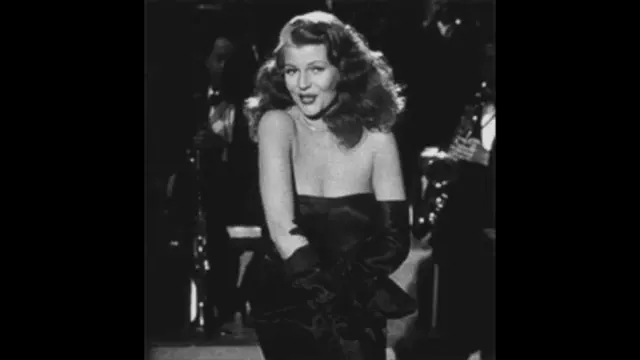
Gilda is the role most closely associated with Hayworth. It crystallized a public persona built from glamour, danger and performative control. In the role, her physicality is weaponized: a glance, a tilt of the head, a hair movement carry multiple layers of meaning. The performance is economical — lines are often delivered with an artful coolness — but emotional stakes are communicated through cadence, posture and a careful alternation between vulnerability and defiance.
What to watch for: the interplay between her musical performances and the film’s power dynamics, how costume and camera framing reinforce the character’s theatricality, and how Hayworth modulates affect to suggest both agency and entrapment.
2. Cover Girl (1944) — Dance, star power and chemistry
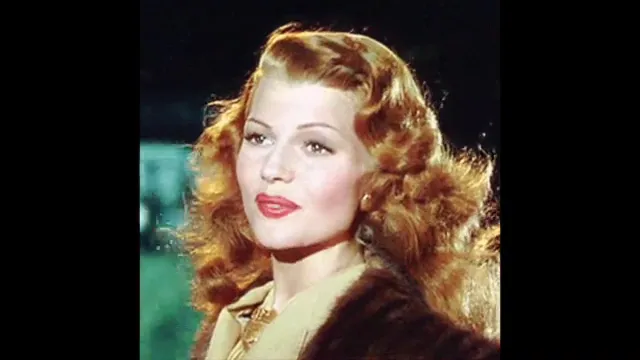
Cover Girl is a showcase of Hayworth’s dual strengths: dance technique and screen charisma. Paired with Gene Kelly, she performs extended musical sequences that blend narrative motive with choreography. The film demonstrates her ability to balance showmanship with character-driven choices: large-scale routines are rhythmically precise, while intimate moments reveal emotional intention.
What to watch for: the demand of long takes and complex choreography, her rapport with her co-star, and the film’s use of editing to move between spectacle and interiority.
3. You Were Never Lovelier (1942) — The ideal Astaire partner
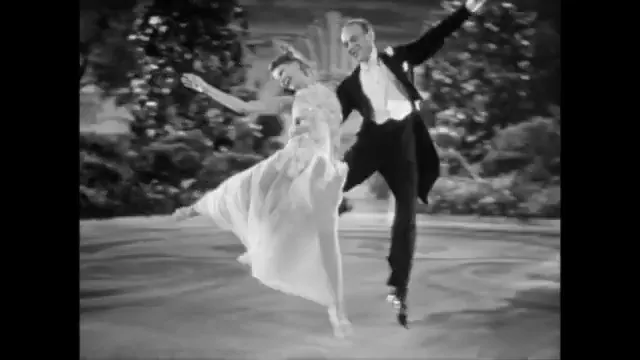
The collaboration with Fred Astaire highlights Hayworth’s rapid step learning, musical timing and lightness of movement. Astaire praised partners who absorbed choreography quickly and brought musical sensitivity; Hayworth’s work here is natural, flirty and rhythmically secure. The film leans into romantic comedy mechanics, and her performance brings a blend of sultry swagger and comic self-awareness.
What to watch for: how she adapts to Astaire’s musical phrasing, the comic timing in non-dance scenes, and her capacity to make even stylized moments feel emotionally grounded.
4. Miss Sadie Thompson (1953) — Raw dramatic range
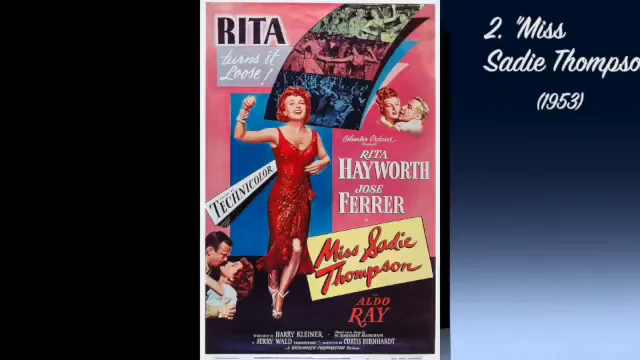
This later career role is notable because it pushes Hayworth into a grittier, more morally complex character. The performance requires a convincing transformation from streetwise performer to a woman facing moral condemnation and private crisis. Hayworth uses physical economy and strong close-up work to register inner life: tension in the jaw, a downward glance, a small catch in breath that marks vulnerability without melodrama.
What to watch for: close-ups and quiet scenes where non-verbal detail tells the story, and the way the role inverts her earlier glamour into survival tactics.
5. The Lady from Shanghai (1947) — Noir reinvention
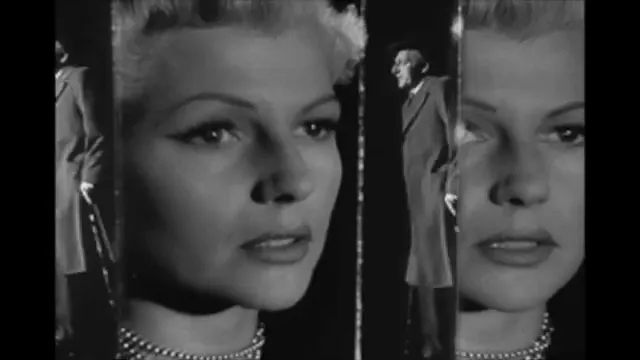
Working with an audacious director, Hayworth embraced a darker persona — mysterious, unreadable, and at times menacing. This film lets her shed full-time glamour for a more ambiguous, even unsettling, style. She plays a character whose physicality is as much an enigma as her motives; the performance is as much about creating distance as it is about revealing desire.
What to watch for: scenes where hairstyle, costume and camera choices alter her usual look, and how silence and small movements are used to convey manipulation and fear.
6. The Loves of Carmen (1948) — Flamenco-inflected intensity
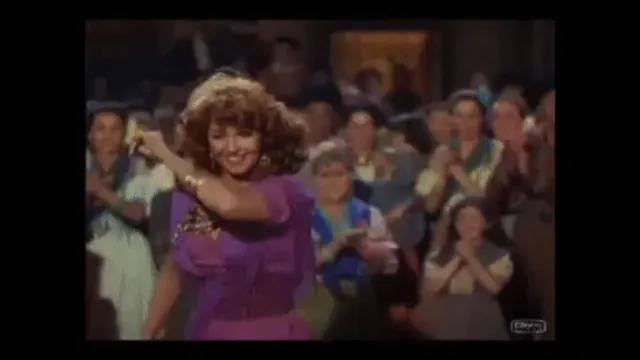
The title role allowed Hayworth to draw on her dance background and cultural references to deliver a passionate, volatile protagonist. Much of the film’s energy comes from her dance sequences, which are staged to highlight controlled fury and sensual power. Even when her singing was dubbed, her physical command of rhythm and gesture made the performance convincing.
What to watch for: the incorporation of Spanish dance idioms, how physical performance becomes emotional language, and the contrast between public spectacle and private longing.
7. Separate Tables (1958) — Mature restraint in ensemble drama
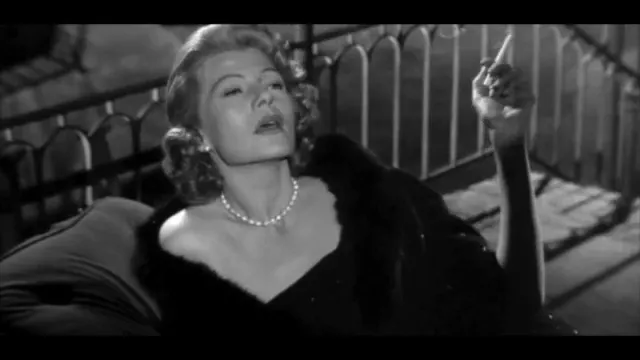
In an ensemble drama about small-town secrets and fragile dignity, Hayworth demonstrates a subtler side. Her character is haunted by past choices and constrained social roles. The film relies on small gestures — a hand linger, an evasive smile — and Hayworth capitalizes on these to render a layered portrait without showy dramatics. This is one of her most mature dramatic turns.
What to watch for: the economy of performance in scenes shared with a large ensemble, and how nuance in expression functions in a playwright-adapted script.
8. Pal Joey (1957) — Hexed glamour and adult maturity
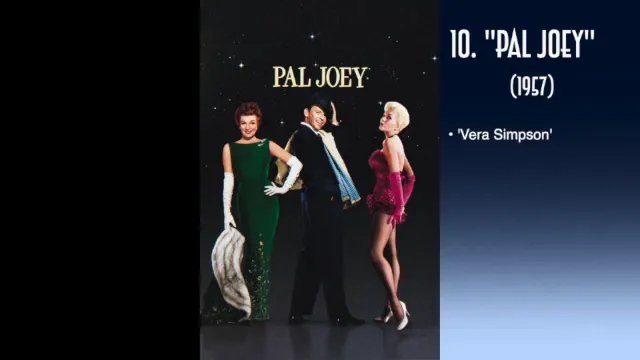
In Pal Joey, Hayworth plays an older, more worldly woman — the narrative treats her character with a mix of glamour and pragmatic resilience. The role asks for a credible presence opposite a charismatic male lead, and Hayworth supplies a blend of theatricality and worldly wisdom. Her musical numbers remain show-stopping even when studio practices (such as vocal dubbing) altered the final sound.
What to watch for: how maturity and allure are balanced, and moments when she shifts from overt seduction to emotional honesty.
9. You'll Never Get Rich (1941) — Breakout pairing with Fred Astaire
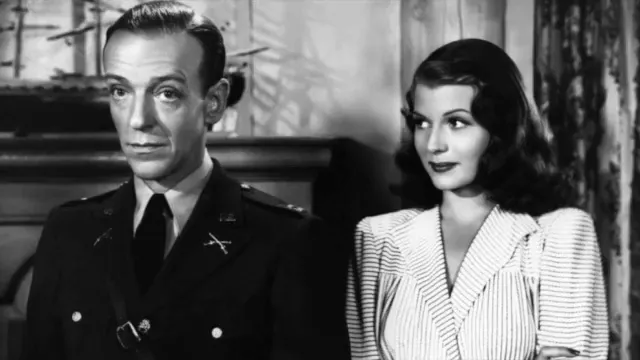
This film marks Hayworth’s first major collaboration with Astaire and contains early evidence of her star magnetism. Her dance sequences drew immediate attention, and promotional images from this period became iconic. The movie allowed her to demonstrate comic timing as well as technical dance skill.
What to watch for: the rehearsal sequences that double as character development and the physical intelligence she brings to partnered dancing.
10. My Gal Sal (1942) — Musical biopic charm
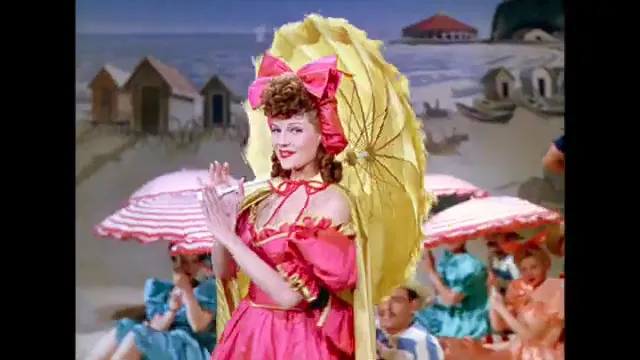
This musical biopic gave Hayworth a chance to play an energetic showgirl rooted in popular song traditions. The role called for both spectacle and emotional wit. Hayworth’s performance is buoyant, rooted in showmanship yet capable of genuine tenderness in quieter scenes.
What to watch for: how she balances the demands of musical biopic pacing with real character moments, and the interplay between show numbers and narrative beats.
Honorable mentions and notable late-career work
A few films deserve attention for what they reveal about Hayworth in less celebrated phases of her career.
- Circus World (1964): A late-career performance that drew award attention. The production had problems but contains honest moments that speak to Hayworth’s resilience as an actress.
- Tonight and Every Night (1945): Excellent dance sequences and a wartime theatrical backdrop that emphasize Hayworth’s show-woman strengths.
- Cameos and smaller roles: Films like The Strawberry Blonde showcase moments where her singing voice briefly emerges on film, and smaller dramatic parts reveal soft-spoken intensity.
- The Story on Page One (1959): A courtroom drama that highlights how she handles domestic realism and courtroom stakes.
Practical viewing guide: how to appreciate Hayworth’s technique
Hayworth’s work rewards focused viewing. Here are practical tips to deepen appreciation:
- Watch early dance numbers without sound first. Observing movement alone reveals how she used rhythm, timing and body punctuation to sell a routine.
- Study close-ups. Hayworth often communicates through micro-expressions. Pause on close-ups to see how small facial changes change meaning.
- Compare partnership scenes. Viewing her collaborations with Fred Astaire, Gene Kelly and Glenn Ford shows how she adapted to different acting and dancing styles.
- Look for economy of gesture. Hayworth rarely overacts; she uses economy to make emotional moments feel authentic.
- Be mindful of dubbing. Several films used vocal dubbing for singing. Focus on physical performance rather than native singing voice when evaluating musical scenes.
Common misconceptions and context
Many modern viewers misunderstand aspects of Hayworth’s career. Below are common misconceptions and corrective context.
Misconception: Hayworth was "only" a sex symbol
While her image contained strong elements of glamour and sex appeal, she was also a disciplined dancer and a perceptive actress. Many of her most effective moments are rooted in disciplined movement and precise emotional choices rather than mere surface allure.
Misconception: Dubbing implies poor performance
Studio practice often mandated dubbing for singing roles. Dubbing does not diminish her physical acting or musicality. In musicals, singing voices were frequently replaced to meet studio standards; the performer's interpretive and physical contributions remained central.
Context: The studio system shaped her image
Studio executives controlled hair color, wardrobe, billing and publicity. Changes to Hayworth’s appearance and persona were often made for marketability. That context explains certain disjunctions between her off-screen identity and the roles she was given.
Context: Ethnicity and casting
Born Margarita Carmen Cansino, Hayworth’s early training drew from Spanish dance traditions. Hollywood’s casting and marketing sometimes flattened ethnic background for mass appeal; however, she frequently drew on Latin-inflected movement in roles where those qualities amplified the character.
Restorations, editions and where to watch
If you want the best viewing experience:
- Seek restored Blu-ray releases or digital restorations from reputable labels for improved image and sound quality.
- Some films are available through classic film streaming services and specialty retailers. Public archives and classic film distributors occasionally offer curated releases with supplements and essays.
- Pay attention to region coding and transfer notes. Older prints may have color shifts, altered aspect ratios or edited scenes. Restored editions often include liner notes that explain changes.
How critics and historians evaluate Hayworth today
Contemporary critics tend to evaluate Hayworth across three axes:
- Physical performance: mastery of movement and the ability to use dance as dramatic expression.
- Screen persona: the complex interplay of constructed glamour and on-screen agency.
- Dramatic nuance: moments of restraint and interiority in non-musical roles.
This tripartite focus explains why Hayworth’s reputation endures: she is a case study in how star image and craft intersect.
Checklist: What to notice in a Hayworth performance
- Intentional movement: every gesture contributes to character.
- Dance as psychology: routines reveal emotional subtext.
- Camera responsiveness: she often adjusts to close framing and camera movement.
- Economy of expression: small facial shifts convey large emotional shifts.
- Partnership dynamics: note how she leads, follows or mirrors co-stars in choreography and scenes.
Recommended books, essays and resources
For deeper study, consult biographies, film histories and essays on the studio era. Look for books that analyze star image formation and dance on film. Film archives, restored Blu-ray liner notes and academic journals often contain the most reliable contextual material.
Summary: What Hayworth taught modern audiences
Rita Hayworth’s career is a lesson in multidimensional stardom. She demonstrates how movement can be acting, how a crafted image can be inhabited with emotional authenticity, and how a performer can sustain a career across musical spectacle and intimate drama. Watching her best performances with attention to detail rewards viewers with an understanding of classical film acting that is tactile, rhythmic and emotionally precise.
FAQ
Which Rita Hayworth film should I start with?
Start with Gilda to see her iconic image and complex screen persona. Follow with Cover Girl and You Were Never Lovelier to appreciate her dance craft, then watch Miss Sadie Thompson or The Lady from Shanghai to see her dramatic range.
Did Rita Hayworth sing in her films?
Hayworth often performed musical numbers, but several films used voice dubbing for the singing parts. Her strength was in dance and physical performance; even when dubbed, her acting and movement anchored the musical sequences.
What made her partnership with Fred Astaire special?
Astaire valued partners who could quickly internalize complex choreography and who brought musical sensitivity. Hayworth’s ability to pick up steps rapidly and combine precision with expressive movement made their collaborations especially fluid and memorable.
Where can I find restored versions of her films?
Look for releases from reputable classic film labels on Blu-ray or specialty streaming platforms. Film archives and distributor catalogs list restoration projects; film festival retrospectives and classic cinema services often feature restored prints.
Was she primarily a Hollywood creation?
The studio system played a major role in shaping her public image, including changes to name and appearance. However, her foundational skills—dance training, stage experience and an instinct for performance—preexisted studio marketing and were essential to her success.
How does modern criticism view Hayworth?
Modern criticism tends to appreciate the complexity of her contributions: movement as acting, the politics of image-making, and her dramatic work beyond the "sex symbol" label. Scholars often examine her work in the context of gender, ethnicity and studio-era practices.
Final notes
Watching Rita Hayworth today offers more than nostalgia. It provides a window into classical film craft, a study in how dance and subtlety intersect on screen, and a reminder that star images were forged out of both artistic talent and industrial forces. Use the viewing checklist, start with the essential sequence, and let close observation reveal the techniques that made her one of cinema’s enduring presences.