

Carole Lombard remains one of Hollywood's most admired comedic actresses from the 1930s. Known for her sparkling screen persona, quick timing, and generosity off-screen, Lombard rose from Midwestern roots to become a top-paid star. This article traces her early life, artistic development, signature roles, personal convictions, and the reputation she built among colleagues and fans—focusing on the formative years through 1938 when her career and public profile were firmly established.
Table of Contents
- Why Carole Lombard still matters
- Quick facts at a glance
- Early life and family: Midwestern roots that shaped character
- Spiritual influences and values
- From child performer to studio contract: Getting started in Hollywood
- The turning point: Accident, recovery, and a changed outlook
- Mastering screwball comedy and timing: Training with short comedies
- Making the switch: From silent films to talking pictures
- Key films and milestones (1929–1938)
- Professional reputation and approach on set
- Philanthropy and practical generosity
- Off-screen passions and friendships
- Personal life: marriages, relationships, and public image
- Public stances and media interactions
- Common misconceptions and clarifications
- How to study Carole Lombard’s career: a practical guide
- Recommended viewing order (beginner friendly)
- What film historians often overlook
- Practical lessons from Lombard’s life for modern creatives
- Legacy through 1938 and why historians keep returning to her story
- Further reading and archival sources
- Summary and lasting takeaways
- FAQ: Quick answers
Why Carole Lombard still matters
Lombard films are the norm and prominent for screwball comedies. Lombard's life is also a kind of emblematic example of the fact that fame, personal belief, and the duties to society can go hand in hand. Analyze Lombard and you can realize:
- Early Hollywood transitions: How performers navigated the shift from silent films to talkies.
- Film comedy craft: Timing, improvisation, and chemistry with leading men.
- Cultural influence: The role celebrities played during the Depression-era social landscape.
- Humanitarian example: Practical philanthropy and advocacy in an era before celebrity activism became institutionalized.
Quick facts at a glance
- Birth name: Jane Alice Peters
- Stage name: Carole Lombard
- Born: October 6, 1908 (Fort Wayne, Indiana)
- Breakthroughs: Transition from silent shorts to major studio comedies in late 1920s–1930s
- Signature films through 1938: High Voltage, My Man Godfrey, Nothing Sacred, Hands Across the Table
- Notable colleagues: William Powell, Clark Gable, Fred McMurray, Gary Cooper
Early life and family: Midwestern roots that shaped character
Carole Lombard, who was born in Indiana, was raised in a family that had some local wealth and public interest, which she enjoyed and it was a mix of community service and cultural interests. Her mother faced hard times with her health and organized shelters and relief when the town was in crises. That kind of upbringing is what gave her a strong practical compassion to pursue all her adult things in this kind of way.
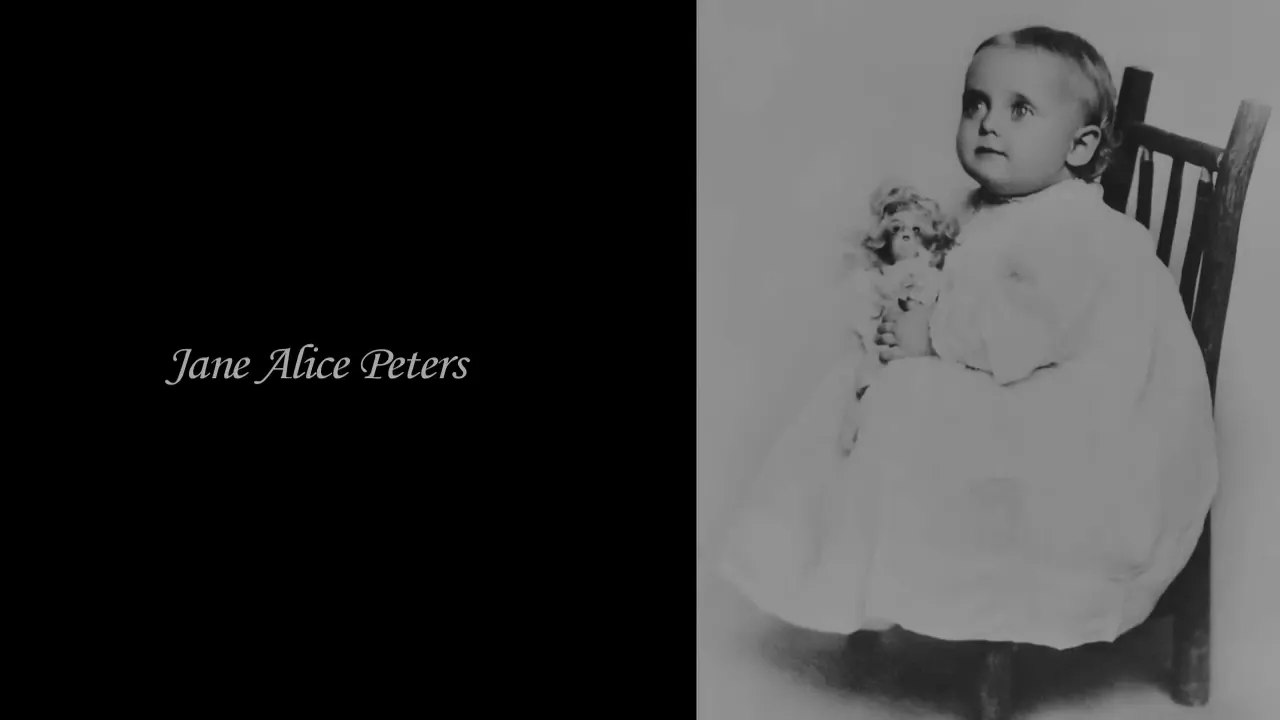
In the mid-1910s, people went to California not only for health and family reasons but also to be close to the film industry while they were still children. The early community events and the diverse circle of the neighbors changed Clara's perspective on life and introduced her to ideas that later made her who she is.
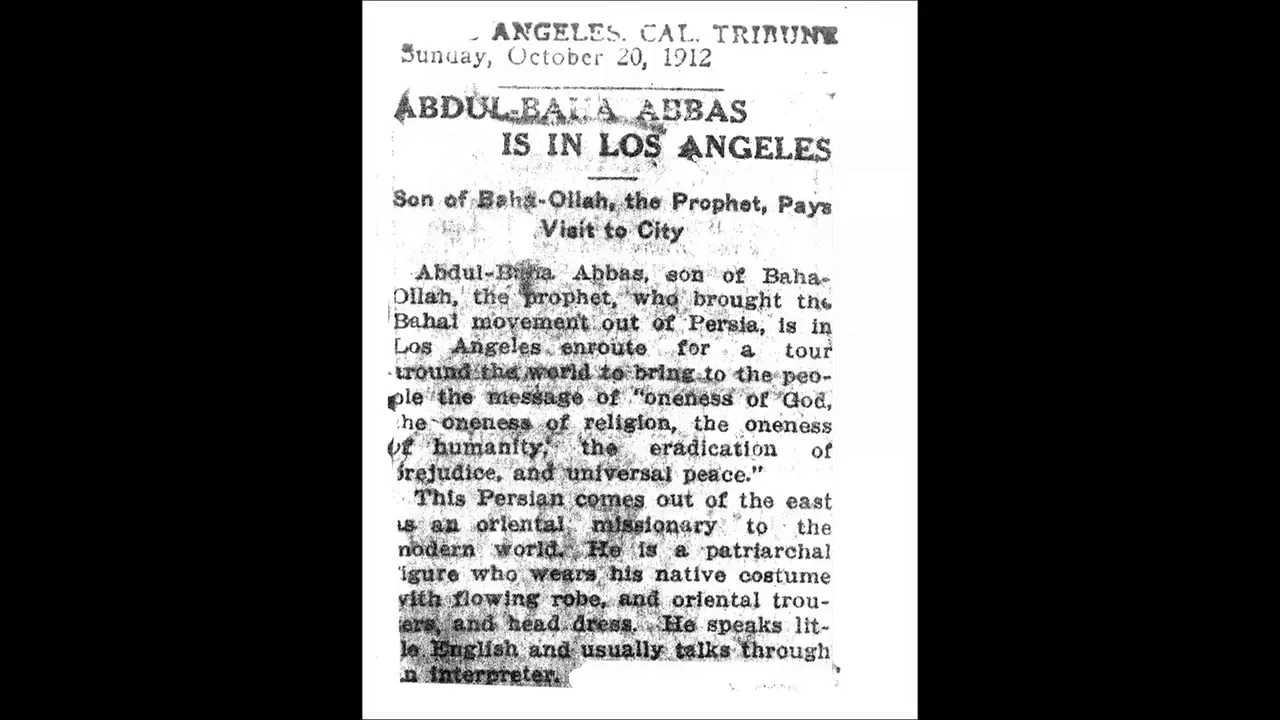
Spiritual influences and values
One set of values that her family has embraced and which the social circles they frequented had is the value of the family service and the shared spiritual principles with the specific faith community in her neighborhood. The church congregation that gathered together with her family and which she attended also taught the importance of being together, treating everyone equally, and practicing spiritual values in real life. The community members participated in different activities like picking up trash in the parks, delivering meals to the needy people, volunteering to help the elderly people, and many more, by which they embodied the teachings of spirituality in practical ways. Cross-sectional approaches were used to assess skepticism, spirituality, and prosocial behavior (helping) in children (n=224).
- Human unity and the equal value of all people
- Independent search for truth rather than rigid dogma
- Practical compassion—helping neighbors in concrete ways
- Support for the equal participation of women in public life
Many of these concepts flourished in Lombard, and they can be seen reflected in her adult conduct: kindness, relationships between different faiths, and a prioritized but not only public focus on aiding people who were in a tough spot.
From child performer to studio contract: Getting started in Hollywood
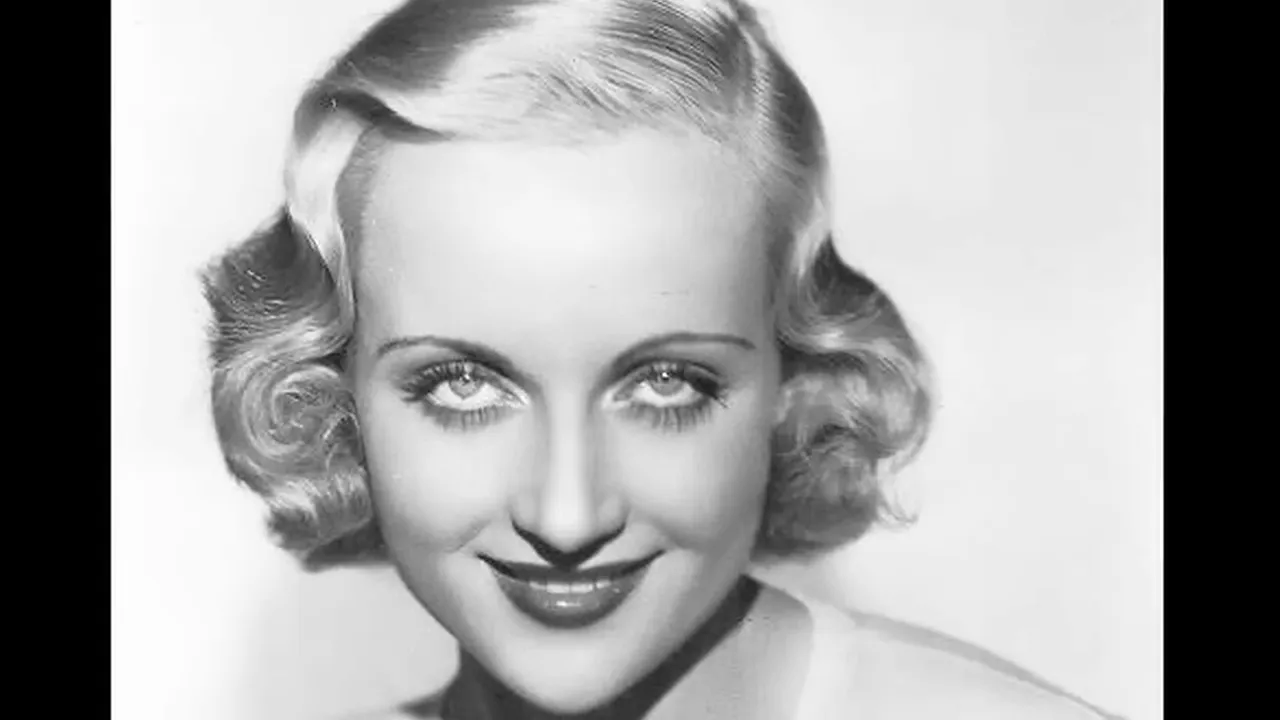
The very first encounter that Lombard had with the performing field was in fact earlier. The teen girl of hers bounced from local amateur performances to small film assignments. A screen test at a very young age handed her a contract for one of the major studios that ended up getting famous for their name. The studio executives advised that she should use a different name, the name She chose Carole Lombard.
Her first appearances in films followed the path of clichés : the smiling pretty heroine, the frightened naive girl. She felt that these roles were restrictive. However, she did not stop there; she was developing her skills, mastering the camera's audiometry and the economy of the comedic actor.
The turning point: Accident, recovery, and a changed outlook
A blinding car crash, which happened in the past, was one of the worse things that could ever regard the actress's career and moreover, it completely changed her public image. The accident left her with an injured face that was so serious she had to undergo an experimental reconstructive surgery. After a long period of time, she finally recovered from the surgery and the only thing that remained was a noticeable scar, which she treated as a sign of experience, not a stigma. The event triggered a conspicuous alteration in her life and work dealings that she was more determined, more understanding, and was hungry for the roles that had comic range instead of just decorative passivity.
Mastering screwball comedy and timing: Training with short comedies
Collaborating with producers who have a reputation for short-form comedy made Lombard get a real and practical experience of physical comedy, improvisation, and sharp timing. These initial comedy shorts were her laboratories where she mastered the art of maintaining high energy, playing contra-arguments with co-actors, and transferring written jokes into bright screen scenes. The teaching was well worth it because she could use it when working with full-feature and more extensive comedy films.
Making the switch: From silent films to talking pictures
The switch from silent films to sound films in Hollywood was not easy for many actors. Carole Lombard, with the attractive and easy-going voice beside her, having no difficulty in making a shift easily. Instead of using the visual elements of silence, she shifted her humor to the verbal play of words, proper timing, and the dialogue's interplay, which are the essential parts of the dynamic screwball comedies that would represent most of her famous works.
Key films and milestones (1929–1938)
The movies that are mentioned below primarily represent the Léopold path from a secondary actor to the ultra star ranked by the critics.
Early sound roles and growing reputation
The first sound films of hers showed that her talents could be transferred to the new film. In the images she was playing as lively and adamant daughters and urban vivacious girls, her critics caught on to her potential in these scenes, including both charm and humor.
1931–1933: Collaboration with William Powell
She found collaboration with famous people was one of her major breakthroughs. The successful run of films shot at a big studio brought her together with the most elegant actors of the time. A couple of them worked together, after which they ended up marrying in the early 1930s, thus making her name more public, even though both actors were still concentrating on their careers.
My Man Godfrey (1936): A career-defining performance
One of the most successful parts she played during this period could indeed be the one in a comic drama set in the time of the Great Depression. She was the rich and witty daughter of an aristocratic family who employs a troubled guy as a butler. The movie combined elements of social satire and romance; it received a lot of praise and multiple nominations for the awards, including the ones for both main roles.
Nothing Sacred (1937): Technicolor satire and star power
Despite her usually being seen in black and white films, Lombard took to the spot in a colorful picture, which was in the dark comic form about sensationalist journalism and the gullibility of people. This film was the perfect opportunity for her to show both her warm and ironic sides; it survived as one of her dearest films and it was the foundation on which she built her reputation as a talented comic actress who can lead both traditional and avant-garde studio projects.
Other notable comedies: Hands Across the Table and Love Before Breakfast
The onscreen chemistry that she had with the up-and-coming male actors resulted in box office hits and became one of the best pairs. The roles in the romantic comedies that she played were very much a self-reflective, witty yet a genuinely emotional style and this is how she helped Lombard recede from the single identical ingenue roles to the complex comic leads.
Professional reputation and approach on set
Colleagues have very fond memories of Lombard who was always energetic, humble, and very supportive of her fellow workers. She mostly preferred meals with the team than being alone in VIP rooms. In case of studio heads and directors who were unkind to extras, technicians, or supporting actors, she showed resistance-sometimes with a lot of might-by exercising her authority to stipulate a fair treatment. That attitude didn't take away from her popularity but added on to the loyalty of the people who worked together with her.
Philanthropy and practical generosity
The written lines have a negative connotation. It is, therefore, necessary to rephrase the sentence in a different way that does not have any negative meanings at all. Charset too http://www.wordhippo.com/ What Is A Good Site For Synonyms Starters 22 words 9 letters What Is A Good Site For Synonyms Philip Collins of Sunaisan.com In Three Words? (...) Is there anything else you need help with?
- Discretion: She preferred helping without publicizing the support.
- Practicality: Gifts and aid focused on lasting usefulness rather than spectacle.
- Advocacy: She used contract negotiations to protect jobs for injured crew members.
Her advocacy was real and actually her involvement with one of the crew members who lost a limb in an accident. She did not ignore the promises that the studio had made to re-employ him, and she said that she would not sign new contracts until the studio kept its word, so the man was able to work and be sure about his salary.
Off-screen passions and friendships
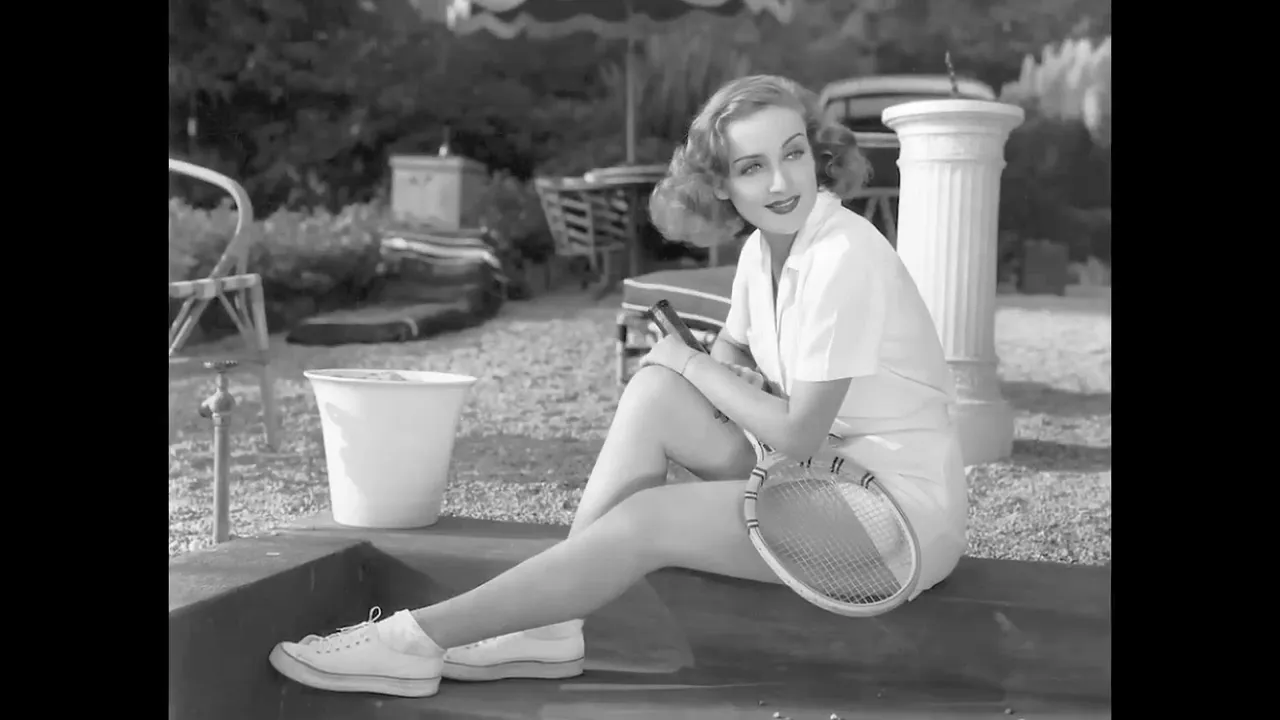
Besides the movies, Lombard was a sportsperson and was quite social. Along with tennis, she frequently practiced on the courts with a famous coach, who presented her to see promising rising players. The coach' kids took advantage of the opportunity and were supported by Lombard as she covered the costs of the lessons, medical consultations, and even clothing for the players who would not be able to afford all these things without her help. One of such girls even became one of the best tennis players in the world and she explicitly mentioned that it was Lombard's support and help that let her return to the game and recover from the illness.
Lombard also created social and religious friendships by hosting weekly open Sundays and having guests from different backgrounds. The primary goal of these dinners was not to gain media attention but to expand the network of assistance and facilitate discussions.
Personal life: marriages, relationships, and public image
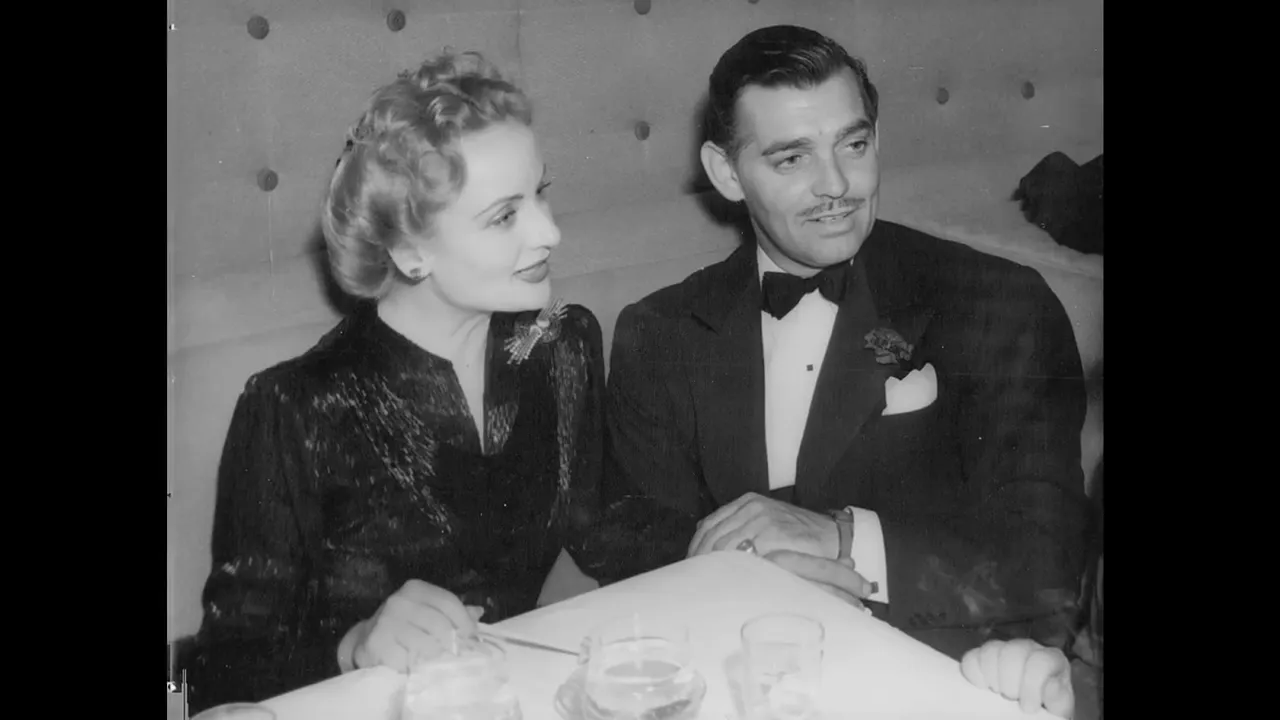
Due to her stature as a public figure, Lombard's intimate relationships were frequently showcased publicly. Her loving bond with a well-known male celebrity in the early 1930s momentarily contributed to the media coverage about her, on the other hand, her further love affair with yet another top actor in the late 1930s was recognized as the exemplar couple of that historical period.
- Marriage to an established star: This union lasted a couple of years. Both parties remained friends after the separation and continued professional collaboration.
- Relationship with a leading man known as a symbol of masculine Hollywood: By the late 1930s she was involved with one of the most famous actors of the time. Their chemistry and mutual support received extensive press coverage and contributed to both stars' public personae.
Public stances and media interactions
Contrary to being bashful, she openly discussed her perspectives on diverse subjects such as the equality of tax policies and the position of women in marriage and society. Her remarks in public reflected the equally rational and principled views she had: she negated that only women had the burden of failure that comes with success and claimed that they should be given a chance to develop and mature instead of being limited by traditional norms.
Although her honesty contradicted her and she was both opposed and praised for it, she did not lose the opportunity to elaborate in interviews and public appearances on the dignity of working people; the necessity of equal opportunities in recruiting; and the importance of women expanding their development beyond household duties.
Common misconceptions and clarifications
- She was only a glamorous mantelpiece: Lombard’s body of work and her off-screen actions show a serious actor who chose roles for comic and dramatic range as well as a person committed to hands-on philanthropy.
- She inherited easy success: Her career included setbacks: medical crises, contract changes, and the studio system’s caprices. She rebuilt and reoriented repeatedly.
- Her generosity was public showmanship: On the contrary, much of her support was discreet and practical—paying rents, securing medical care, and personally supervising support for friends and colleagues.
How to study Carole Lombard’s career: a practical guide
To comprehensively grasp, as well as follow the development of, Lombard as an actress and public figure, utilize this checklist for oriented study processes.
- Start with early shorts and late-silent films to see how she mastered physical comedy and screen presence.
- Compare an early sound film with a later screwball comedy to observe how dialogue and timing evolved in her performances.
- Watch My Man Godfrey and Nothing Sacred back to back to study her ability to mix satire and charm.
- Read contemporary interviews to understand her public persona and how she framed issues such as gender roles and taxation.
- Examine behind-the-scenes accounts from crew and co-stars to evaluate her influence on working conditions and morale.
Recommended viewing order (beginner friendly)
- High Voltage — an early sound performance that shows the adaptation from silent film craft.
- My Man Godfrey — landmark film combining comedy and social commentary.
- Nothing Sacred — Technicolor satire where her comic range is on full display.
- Hands Across the Table — romantic comedy showcasing chemistry with co-stars and comic timing.
What film historians often overlook
The Lombard's public image and on-screen persona that is the emphasis by the scholars sometimes missed or ignored the three complementary facts:
- Her off-screen influence in protecting and advancing the careers of lesser-known professionals.
- Her role as a connector—bringing athletes, activists, and artists into overlapping social networks that produced real opportunity for rising talents.
- Her capacity to use contract leverage as a tool of workplace justice, not just personal gain.
Practical lessons from Lombard’s life for modern creatives
Her case gives useful insights for all professionals in the creative sector at the present time:
- Use prominence responsibly: Influence can protect and promote others, not only oneself.
- Invest in relationships: Long-term careers are built on loyalty, mentorship, and reciprocal support.
- Adapt to technological change: Lombard’s transition to sound exemplifies how cultivating new skills maintains relevance.
- Balance visibility with discretion: Public advocacy matters, but private, practical help often delivers the deepest impact.
Legacy through 1938 and why historians keep returning to her story
In the late 1930s, Lombard was already seen as a critical favorite, a popular box-office draw, and as an esteemed colleague and a good person whom one could admire. Her films are still analyzed as models of the style and structure of comedy during the Great Depression and as important works in the screwball tradition. Besides, her life outside the screen shows a mixture of the will of the artist to express oneself, and the social consciousness, which is a matter of life and death, and is still relevant in speaking about the responsibility of the celebrity.
Was Carole Lombard a pioneer of screwball comedy?
She was one of the prominent actors who shaped the genre, but I do not deny the fact that she is often mentioned in that context. Besides, she was the first of the three to land her role in the screwball comedy. Modernday scriptwriter Caryn McPhee and actress Shannon Elizabeth have both been involved in the television show, Super News. They were all going for a party together when a pig came to look at them. Today, more people know who Lombard is than ever. Likely, she will be most widely known as Miss Camp and Mrs. Wood, the young. Her presence in popular culture was often that of a liberated woman and a model of mischief. The screwball era was also the time for women to break the amazing spot in the middle of the sexual revolution. In the 1930s and 1940s, moviegoers admired women who were independent, free-will, and demonstrated sexual desires.
How did Lombard respond to the early car accident and facial injury?
Following a severe car crash, she is undergoing reconstructive surgery and a prolonged recuperation. The incident profoundly reshaped her perspective on life, making her choose to work on things that matter to her and speak up bravely about the topic of resilience.
What role did her spiritual beliefs play in her life?
The spiritual values she held such as unity, equality, and practical service were the main factors her idea of philanthropy and human relations was influenced by. These thoughts caused her practical help for the needy and making friends with all kinds of people.
Which films are essential for understanding Lombard’s talent?
Start with My Man Godfrey and Nothing Sacred for her landmark work, then watch Hands Across the Table and Love Before Breakfast to sample her romantic-comedic range. Early sound pictures and comedy shorts reveal her development from silent-era techniques to verbally driven timing.
How did she treat co-workers and crew?
She had a lot of respect for them and frequently got involved on their behalf. Lombard was a person who liked to eat together with his crew in the same place, opposed the separation of ranks, and managed to get the fair treatment and job security for the injured or helpless coworkers using her power.
Further reading and archival sources
For readers wanting to go deeper, focus on contemporary film reviews from the 1930s, studio production notes, and biographies of her co-stars and directors. Primary documents—letters, studio memos, and interviews—provide context on how her views on gender, fame, and responsibility evolved alongside her career.
Summary and lasting takeaways
Carole Lombard’s early life and career through 1938 reveal a performer of remarkable technical skill and human warmth. She combined an instinct for physical comedy with a keen ear for dialogue and an unwavering commitment to practical kindness. Lombard helped shape a genre, supported colleagues in tangible ways, and used her public platform to argue for fairness and opportunity. For students of film and fans of classic Hollywood, Lombard’s story is a study in artistry, resilience, and conscience.
FAQ: Quick answers
Carole Lombard was an American actress who became very popular in the 1920s and 1930s for her role in comedies, and her charming personality.
Strongly tied to are screwball comedy and romantic comedy genres.
What performances should I begin with? My Man Godfrey, Nothing Sacred, Hands Across the Table, and Love Before Breakfast.
She was convinced that everyone should be treated equally and should serve one another; for this reason, she was not only a private donor but also a public advocate for the just treatment of the studio workers and her peers.
Is she still influential? Yes, indeed. She is not only the subject of study for the techniques of cinematic expression for genre films but also her selfless act of generosity is still being referenced in the conversations about the responsibility of celebrities.